
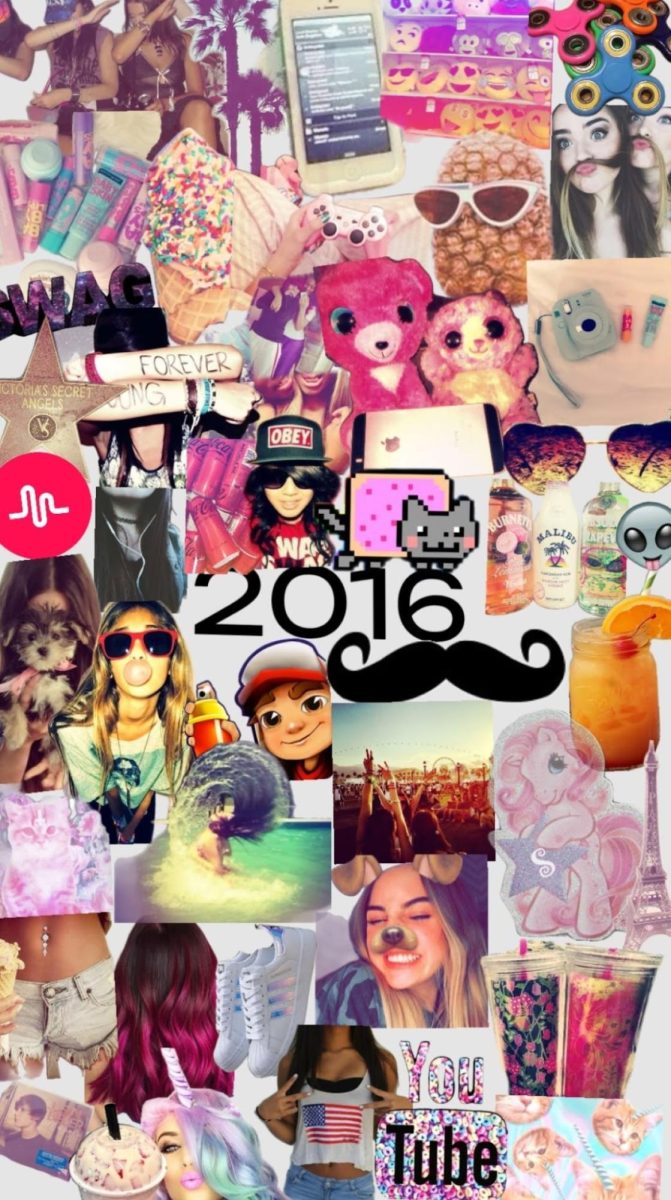
In late 2025, a new buzz arose about trying to “bring back 2016,” starting from “2016 brows” to the return of the Snapchat dog filter. An overall hype around the 2016 aesthetic has become very popular amongst current teenagers and young adults who set the trend as teenagers 10 years ago.
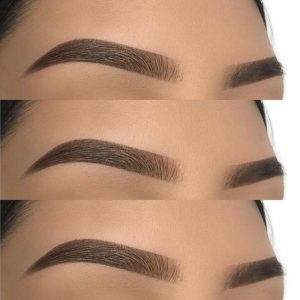
Recently, 2016 makeup trends have gone viral, with many people attempting to recreate the heavily concealed, sharply shaped eyebrows that were popularized by beauty gurus at the time. Phrases like “eyebrows on fleek” have resurfaced, while trends such as soap brows have been pushed aside. Teenagers from 2016 are now recreating their old “high school makeup” styles.
Makeup has begun to look similar as people follow the same routines and looks. Creativity and individuality make makeup unique and encourage the bold looks that made 2016 stand out so much. While creative makeup still exists today, the influence of constantly changing trends can make originality harder to find. Even Kylie Jenner recently posted a TikTok video trying one of her nearly decade-old products from her archive called “skylie” (sky blue), bringing back memories of the Kylie Lip Kits that dominated beauty culture in 2016.
One thing people like to point out about 2016 is all of the different vogues. Snapchat, YouTube, Tumblr, Vine, and Music.ly were the playing cards that brought the aesthetic trends and lifetimes into the game. “In 2016, I remember spending hours on YouTube watching ‘no glue no borax slime tutorials,” said Senior Erwin Rostamlou. These trends died out much more slowly compared to the fast-paced changing of trends that is seen now on social media with TikTok and Instagram. Trends switch out faster, making it harder to identify a trend with a specific time period since most trends die out within a few weeks. However, in 2016, trends lasted longer and were more popular.
Music was also a main element in the overall 2016 aesthetic. Many memorable albums were created during that time that were on replay not only in 2016 but throughout the years. And these songs are now getting popular again. Music Artist, Zara Larsson, has made a complete comeback (read more here!) with her nostalgic music (although from 2017), such as “Lush Life” from her Album So Good. Other notable albums from 2016 are Dangerous Woman by Ariana Grande and Views by Drake. Also, the song Black Beatles by Rae Sremmurd was extremely popular and started the mannequin challenge that many people try to recreate today. “While making my playlist for this Summer, I used a lot of throwback songs from 2016 because I enjoy the unique beats that aren’t as popular in today’s music,” said Senior Aleh Issagholian.
With the current state of the world–social media, political conflict, phone addiction, AI, and an overall feeling of despair and hopelessness–2016 presents as a simpler time. Today, the world seems more plagued with problems. AI is taking over people’s lives, threatening employment and creative hobbies, while bringing about profound changes in the entertainment industry. Bottom line, AI is affecting society much more than people realize. That is why 2016 seems so appealing because it was a “simpler time” by contrast to how much chaos AI has already wrought on society. Nostalgia brings comfort, and people want that comfort back, especially since AI’s influence will only grow stronger.
In sociological terms, it is safe to say that society is currently going through a “cultural lag.” This is a concept founded by an incredibly influential sociological figure in the 20th century, William F. Ogburn. A cultural lag occurs when a new development or technology evolves and integrates faster into society than humans are able to regulate, causing a disruption to people’s lives.
A psychological concept called the “rosy retrospection,’’ created by researchers Terence Mitchell and Leigh Thompson in 1994, refers to a cognitive bias that people have when looking to past events. Seeing situations with “rose-tinted glasses,” believing that those times were better than they actually were, people remember and feel the positive emotions and memories more deeply.
However, for most people at Clark, in 2016, they were just kids, ages 5 to 9 years old. Recalling the memories from 2016 for students is not a reflection of the year itself, but instead a reminder of their childhoods.
Instead of blueprinting teenage years from an aesthetic that already happened a decade ago. I believe it is important for teenagers to create their own trends, music, and, most importantly, memories. Teenagers have the chance to make 2026 whatever they want it to be, and differentiate their teenage self from their childhood self. The remaining seven months of 2026 give people the possibility to celebrate fun, creativity, and an overall hope to create a unique future and year. 2026 is 2026!