

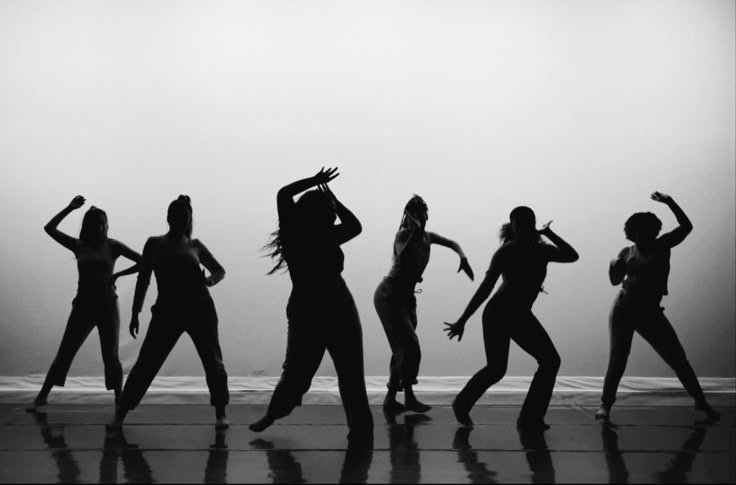
The debate over whether dance is a sport usually gets answered with a quick yes or no, but dance is far more complex than that. It is not only about performance or entertainment; dance demands dedication, stamina, and constant practice. At the same time, dance allows performers to express culture and emotion through movement. Styles such as Armenian dance, Irish step dance, Georgian dance, and hip hop show that dancing combines artistic expression with the same level of commitment found in athletics.
Every performance is backed by hours of exhausting preparation. Dancers repeat routines over and over to sharpen technique, improve timing, and strengthen coordination. Their bodies are pushed through fatigue while they work to stay controlled and precise. Just like athletes, they train intensely, except they are expected to hide the difficulty behind graceful movements.
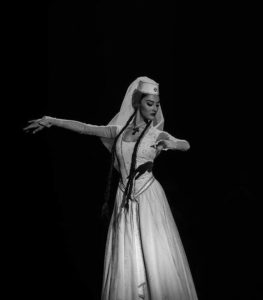
Each style challenges the body in different ways. For one, Armenian dance requires grounded footwork, balance, and sharp control, which reflects cultural traditions through every movement. Irish step dance relies on speed and coordination, forcing dancers to move rapidly while keeping their upper bodies perfectly steady. Georgian dance is especially demanding because of its high leaps, forceful landings, and movements that test endurance and stability.
Hip hop brings a completely different energy. It combines rhythm, flexibility, creativity, and power, often including flips, floor work, and fast transitions. Competitive battles also add pressure, requiring dancers to think quickly and perform confidently in unpredictable situations.
Many people overlook the emotional side of dance. Performers are not simply memorizing choreography; they are telling stories and communicating feelings without speaking. Facial expressions, posture, and movement all work together to create meaning. Managing emotion while maintaining physical control makes dancing even more difficult than many realize.
“When dancing, I don’t just focus on my technique. I also focus on my acting because facial expressions play a big role in dance to help understand the story,” freshman Nelya Muradyan said.
No matter the style, dancers constantly work to improve strength, flexibility, coordination, and endurance. They practice through stress, soreness, and pressure while carrying culture and identity through every performance.
“Dance has changed my daily habits and taught me discipline, and even if people don’t consider it a sport, I think it is a very beautiful type of art that everyone should at least try once in their lives,” freshman Valentina Chobanyan said.
So, is dance a sport? The physical demands already support that argument, but dance is much more than movement. It blends athletic ability with creativity and storytelling. It challenges both the mind and the body, proving that dance deserves recognition as more than just a form of art.