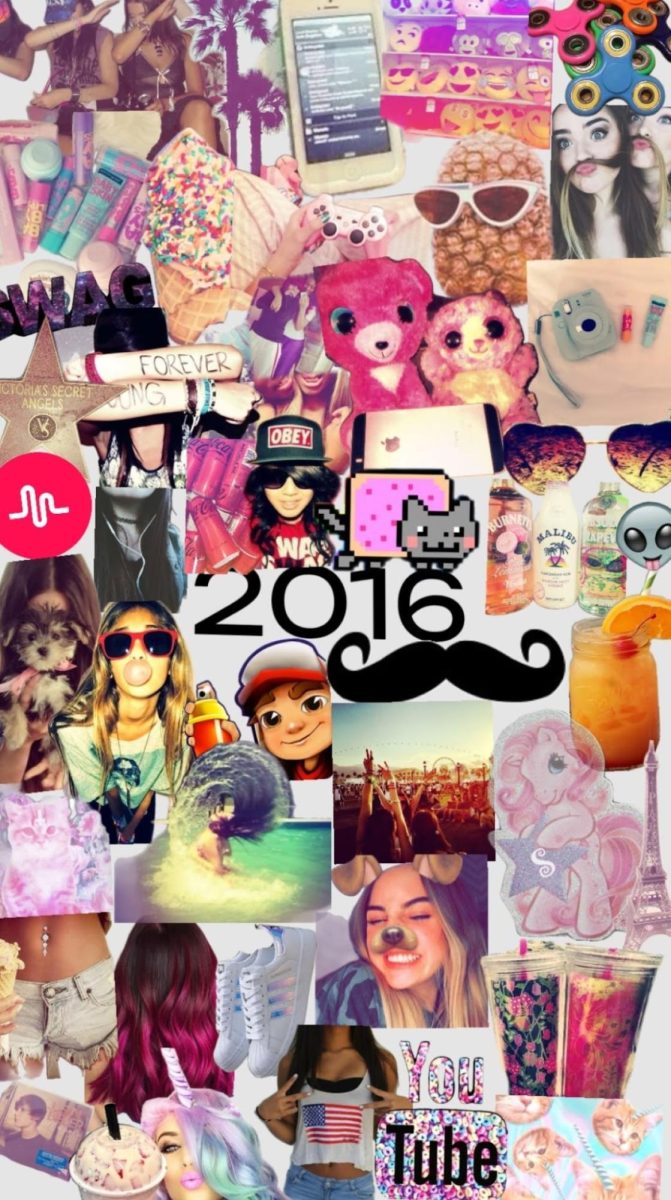


A flashback to 2020 can have most teenagers feeling ashamed over the chokehold cow prints and frog hats had over them. Once wildly worn by their favorite TikTok influencer, most teenagers caught on and wore whatever fit their influencer of choice’s aesthetic. What once felt trendy now feels cringe, a phenomenon that unfortunately still exists in social media today among teenagers.
It seems like every month there is a new trend to keep up with—whether it’s a makeup product, a clothing brand, a certain print, and endless more. Some “viral” trend becomes popular, and suddenly, everyone is squishing a Needoh in their hand. Then, just as quickly, the trend disappears.
This is known as a “microtrend,” a popular topic when it comes to fashion. Lasting for a short amount of time and serving little purpose (besides being temporarily on trend), microtrends are clothes that end up not spending much time in people’s closets.
And companies capitalize from the demand for different styles and changing trends that pop out every week. These overwhelming trends are gold mines for companies that push out whatever is the top hashtag on Instagram, amongst other social media platforms, leading to multiple problems within the fashion industry, impacting both the economy and environment.
Bangladesh is one of the largest textile-producing countries in the world, along with India and China. These foreign workers are heavily exploited, and many are paid almost three times less than what is needed to live by decent standards. To keep up with constantly shifting trends, workers are forced to produce massive amounts of clothing in short periods of time.
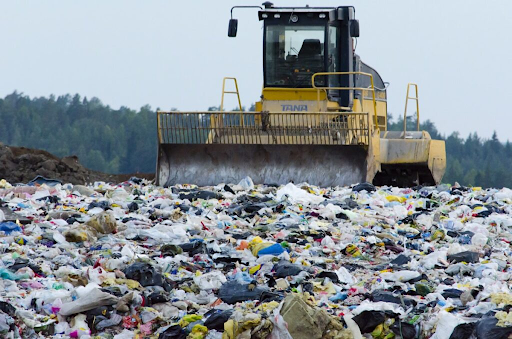
Most trendy clothing is made with cheap material and not designed to last, and later, is quickly thrown away or donated. These clothes are often made with plastic materials such as polyester, which is harmful to the environment because it is energy intensive, and many micro plastics end up in oceans. The estimation for microfibers that shed and end up in oceans and waterways are 0.5 million tons and are made up of mostly nylon or polystyrene according to greenmatch.co.uk
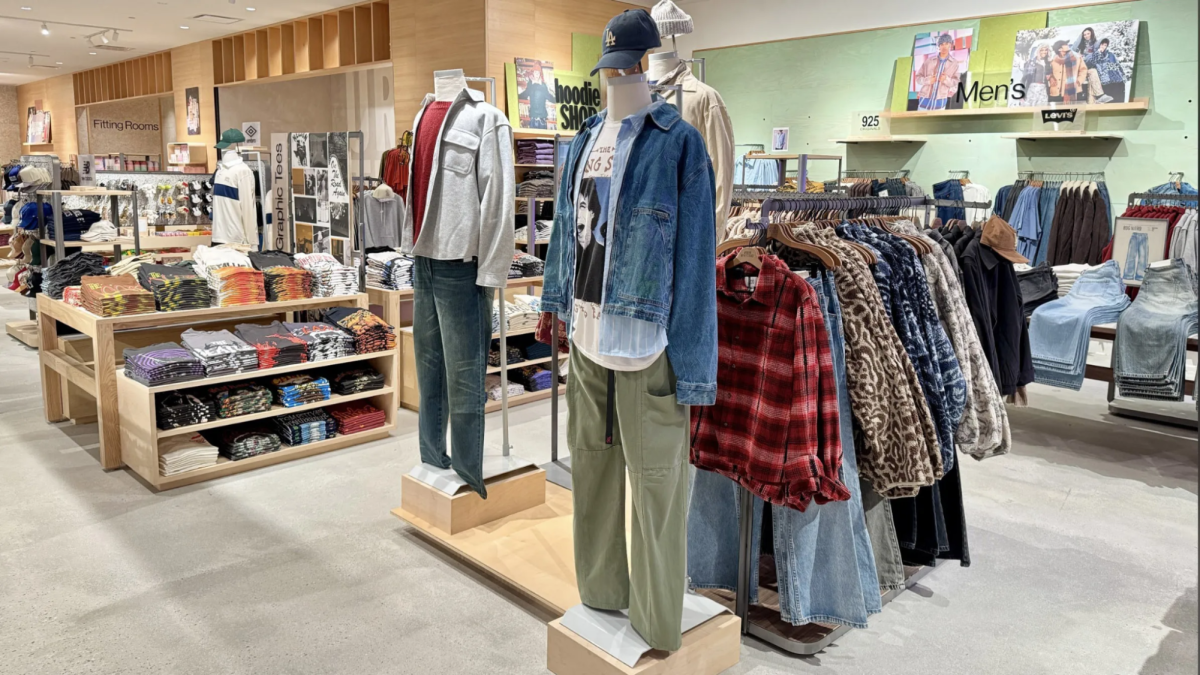
Instead of following the latest fashion trends, individuals can buy “basics”such as staple T-shirts, solid color or neutral garments. These can be dressed up and down, so that people are still able to show off their fashion, which is often easy to style without feeling the need to keep up with whatever is popular.
Thrifting is a friendly way for teenagers with specific budgets. The next time it comes to choosing clothes, think about buying fewer ones, supporting ethical brands, or even going thrifting! Thrifting can be a great alternative and budget-friendly, which is especially a pro when it comes to teenagers. Some great thrift stores in Los Angeles are Trove in Westwood and Bridge Thrift in Eagle Rock. Both are clean and fairly-priced stores with great reviews.
Thrifting is not only fun to do with friends, but also resourceful. Individuals make change through a simple choice, and choose outerwear based on personal style rather than what is trending. Trends will always come and go, but the consequences of overconsumption last far longer than hype online.