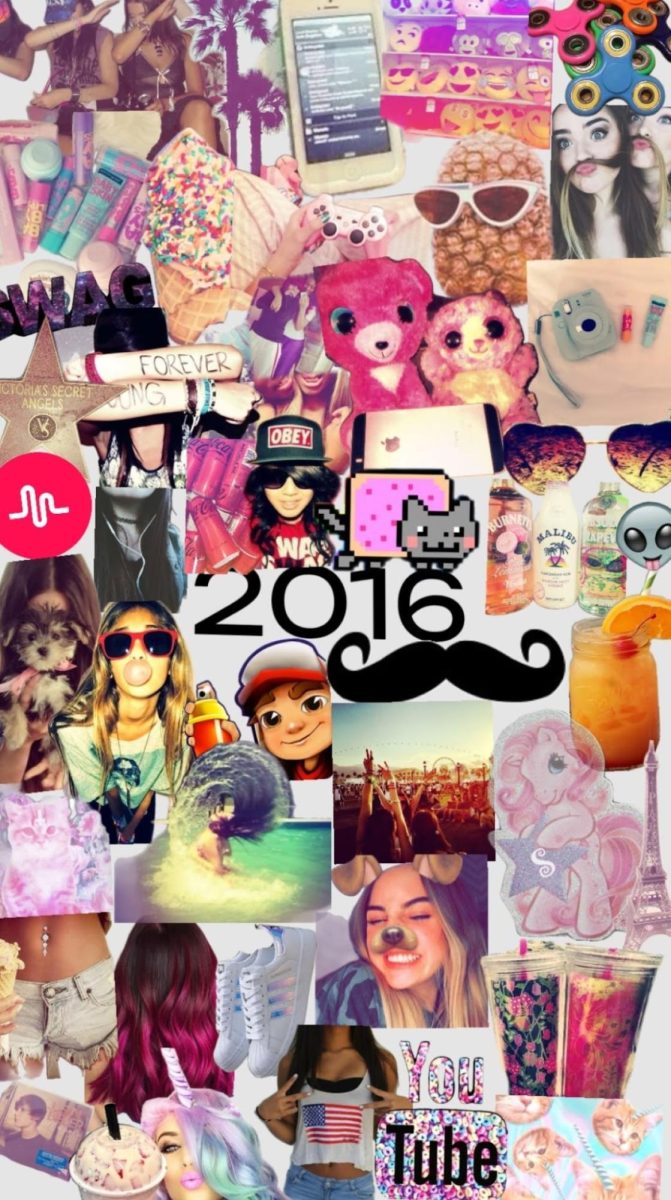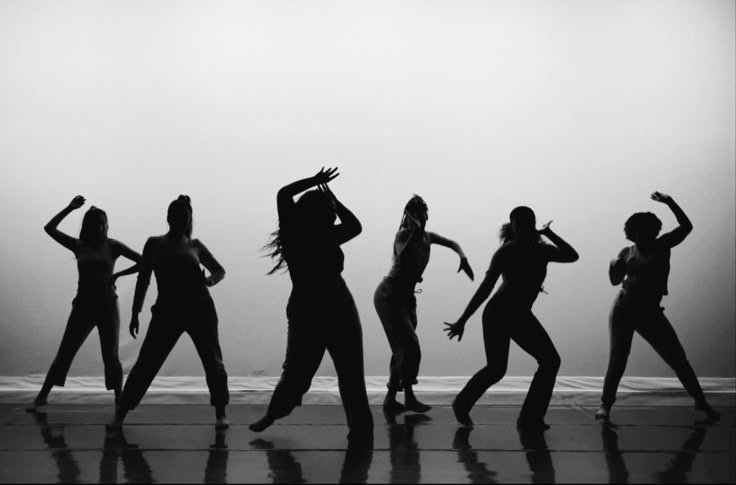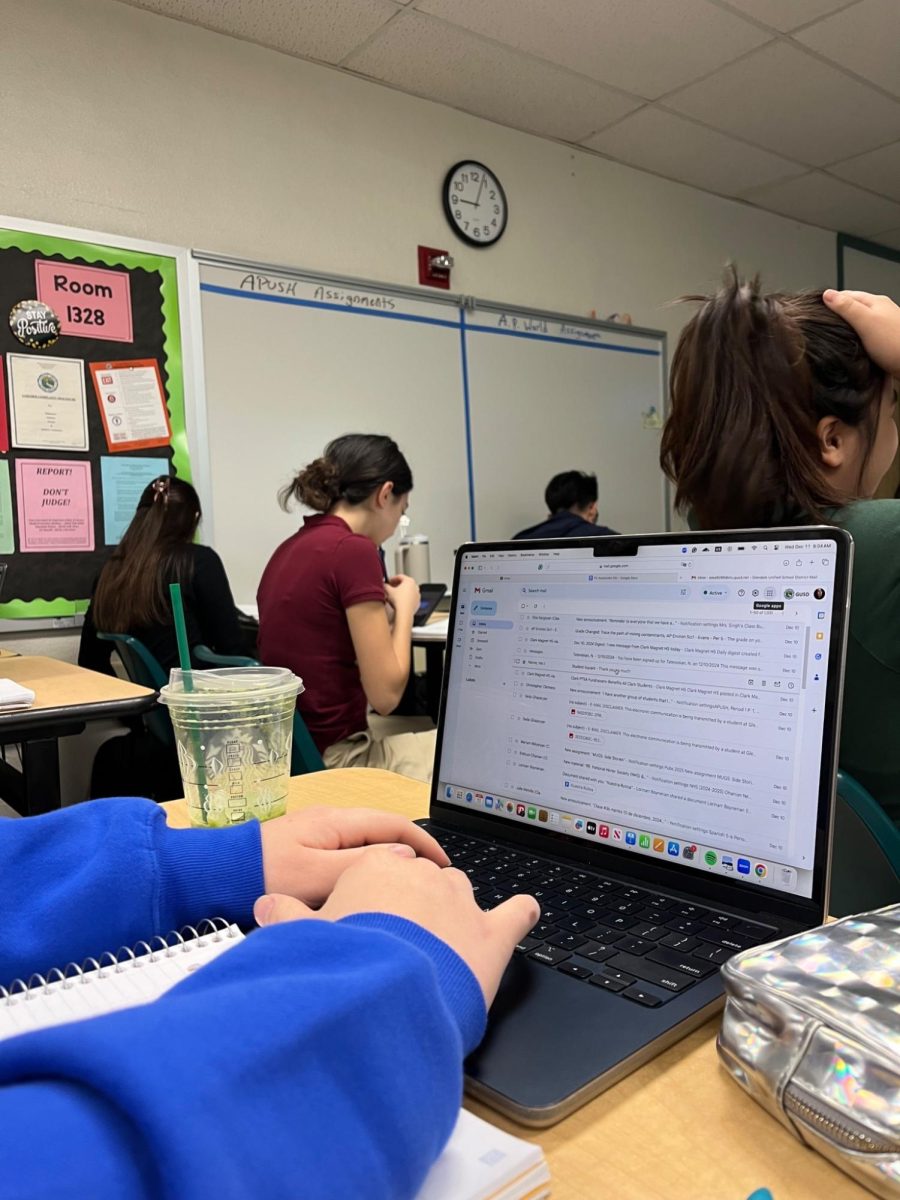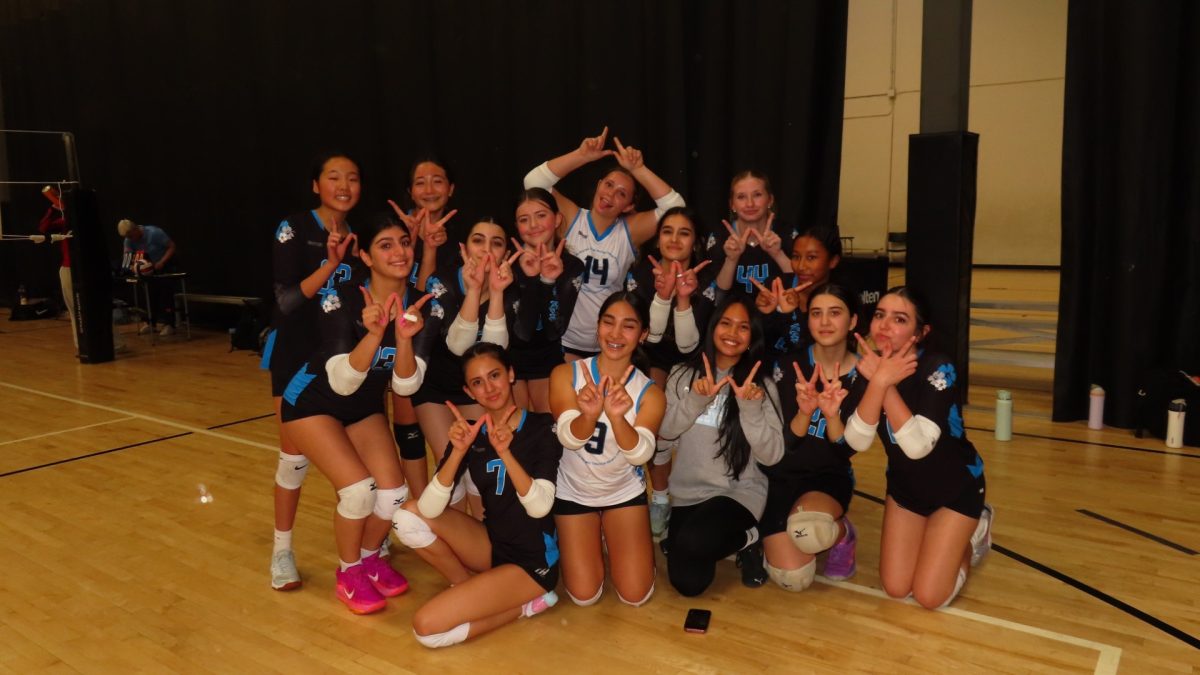


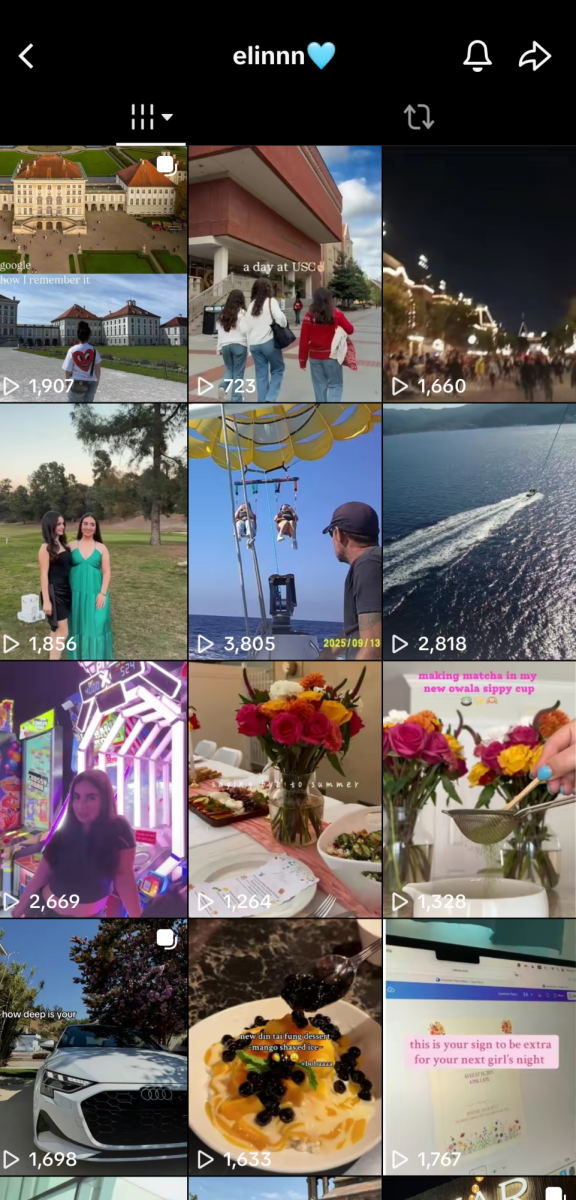
Generation Z is frequently criticized for living through a screen, as they are often accused of caring more about life on social media, rather than reality. Punchlines like “do it for the gram” or “the phone eats first” are used as proof that there’s value in content over genuine connection. However, as time goes on, it becomes evident that these phrases reflect on something deeper. This interpretation overlooks the truth that Gen Z platforms like TikTok serve as digital diaries, where they can document their lives, preserve memories, and create meaning in this ever-changing world.
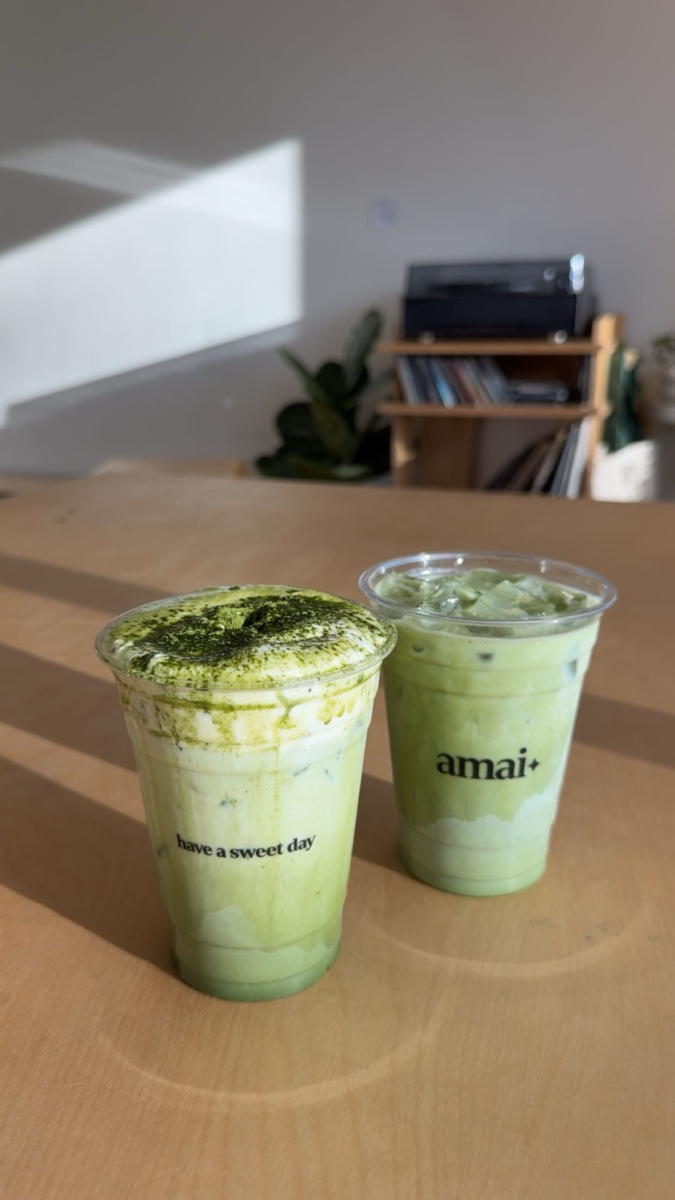
Unlike traditional and more private diaries that were written at the end of each day, digital diaries update in real time. Social media pages act as living timelines, made of short videos or pictures that capture everyday moments. These individual clips may seem insignificant, but when put together, they create a narrative of growth and identity. Videos showcasing morning routines, highlighting new trendy cafes, and even simple “story-times” have become a way for Gen Z to hold onto their experiences that might otherwise fade.
This idea is reflected in how individuals describe their relationship with documenting daily life. “I’ve gotten used to how my people around me react when I try to take photos of my food at a restaurant or cafe. I understand it sometimes takes a little extra time, but it’s important to save that moment, even if it seems random. A simple picture helps me remember the place, atmosphere, and how I felt being there,” senior Yeva Awades said. Ordinary moments become lasting memories, with each snapshot Gen Z saves.
It can be argued that documenting life online means they’re not really living in the moment. But this assumption ignores the fact that recording something doesn’t take away from experiencing it. Taking a short clip at a concert doesn’t necessarily mean they missed it, it means they valued it enough to want to preserve it. Capturing a moment acts as a form of appreciation, not distraction; similarly, posting is about recognition, not validation.
Many scroll back through their TikTok pages, like how others reread journals or flip through photo albums. This modern-day memory keeping allows Gen Z to influence others while also documenting personal experiences. A study-with-me video can motivate others to do the same, while spotlighting a new small business can increase customers. Although some have gone back to journaling or scrapbooking, others find excitement in this more public form of documenting.
Ultimately, posting and taking photos or videos is proof of Gen Z’s adaptation. This generation has found a new way to remember, reflect, and connect. So yes, sometimes the phone eats first, but behind the camera, there is a generation trying to hold onto life as it takes place. Instead of judging the method of preservation, people should appreciate Gen Z’s efforts to redefine what it means to remember.