

Is cancel culture holding people accountable, or just tearing them down? In many cases, calling out someone else is necessary, especially when they cross serious lines or use their platform to harm others. Holding people accountable can create real change, however, now even the mistakes from years ago can suddenly resurface and a person’s entire reputation can be ruined, long after they’ve apologized or grown from it. There is a difference between serious offence and a mistake someone can genuinely move on from, and people should be allowed the chance to redeem themselves if the situation calls for it.
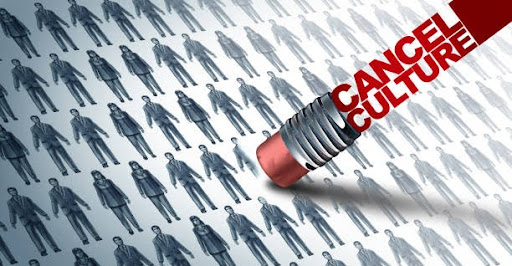
In today’s world one wrong move online can destroy someone’s entire reputation. Maybe it’s a tweet from years ago, a video taken out of context, or something said in the heat of the moment. Within hours, the internet explodes, and a person is suddenly “canceled”. Canceling someone means withdrawing support from a person or their work for saying or doing something that may have offended others, by having a mass unfollowing and boycotting against the person. This began as a way to call out serious wrongdoing but now turned into a cycle of hate and judgement.
Cancel culture has given groups of people a voice to challenge celebrities, influencers, and even brands. However, somewhere along the way that purpose got lost. People started canceling celebrities just for attention. Recently, even reality-TV star Huda from Love Island and actress Sydney Sweeney have faced severe criticism online, proving how fast it takes the internet to turn on people even before all the facts are clear.
The truth is, most people have said or done something they regret, especially when they were younger. Someone could change, apologize, mature and genuinely grow, but cancel culture treats their past as their forever identity.
What’s even worse is that some influencers who truly should be held accountable seem to avoid consequences altogether. For example, James Charles has repeatedly faced accusations of inappropriate behaviour, yet still remains active online, continuing to post and stay relevant. It shows how cancellation is inconsistent. Sometimes it goes after the wrong people, while others escape consequences despite serious behaviour.
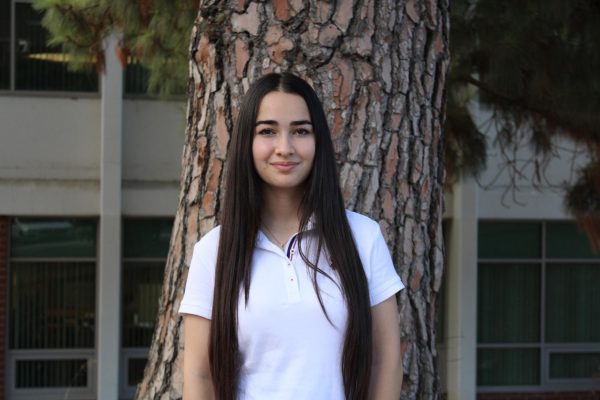
For teens, cancel culture can be especially daunting. They live so much of their lives online that one small mistake can follow them forever. “It’s kind of scary to post anything now because one wrong word can blow up. We know nobody’s perfect, but online it feels like you’re not allowed to make mistakes,” freshman Gohar Melkumyan said.
Social media is supposed to be a place where people share ideas, but now it has become a place where everyone is waiting for someone else to mess up. It is now a form of public shaming. When people are scared to speak up, real, constructive conversations stop, and so does the chance to understand each other.
Cancel culture may give some people a temporary sense of power, but in the long run it spreads negativity and shuts down important conversations. It doesn’t teach and it definitely doesn’t make people better. Everyone makes mistakes. Everyone deserves a chance to grow. Instead of canceling people for their past, we should focus on helping them become better in the present. If someone crosses a serious line, accountability is necessary, but if they’ve grown and changed, they deserve a second chance.