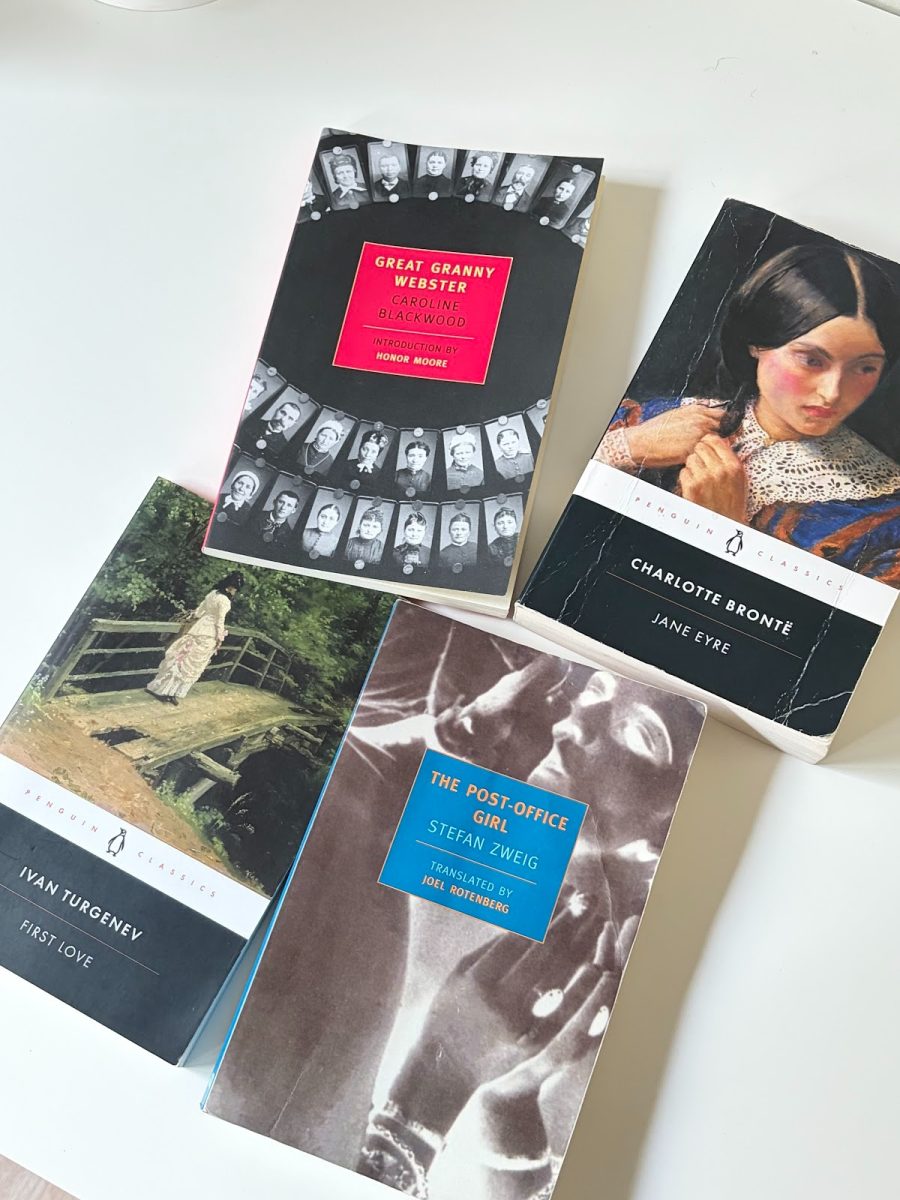



With the change of each season, comes a change in music, aesthetics, and even books. According to various sources, there is a correlation between genres and the season. During the summer, it’s commonplace to read light books, romcoms, and happy themes that go with the feeling of R&R (rest and relaxation). As the season changes and people move into autumn, readers often move into more gothic, heavier reads, as well as classics, some with darker themes and deeper messages.
“Seasonal reading” is described as the phenomenon that, as the weather changes, so do personal preferences like reading. Many do not even realize this shift is occurring. Subconsciously, many pick the books they read as a reflection of their own mood, which is very often dependent on the weather and cyclical habits people often form in seasons. During summer, things are usually less stressful, and the term “beach reads” was coined to describe the books with lighter topics, like romance or coming of age.
“Over the summer, I like to take a break from complicated texts and lay back with a simple story. During the winter, I tend to read more classical and academic stories,” senior Maryam Dabo-Roy said.
As the weather changes, and the days get shorter, people feel the need to get cozy with a good book and a blanket to enjoy the winter weather and start of a fresh year. Mysteries, thrillers, and historical fiction are often the most picked up genres over the winter to exemplify those cozy feelings. Here are some books that perfectly complement the winter mood.
1. The Secret History, Donna Tartt
Known as the foundation for ‘dark academia,’ The Secret History follows Richard Papen in a group of six tightly knit students in Hampden College who investigate the murder of their friend, Edmund Corcoran (nicknamed Bunny). Richard spends the novel recounting the events leading up to and after the tragic incident. Bunny’s death reveals several new secrets the group is trying to cover up, which threaten to destroy them.
2. Crime and Punishment, Fyodor Dostoevsky
Continuing with the murder motif, Crime and Punishment follows Rodion Romanovich Raskolnikov, a poverty-stricken ex-student, and his battles with mental health and money. In a haze, he kills a corrupt pawn lady, Alyona Ivanova, and her sister, Lizaveta Ivanova. The cat-and-mouse game between the detective in charge of this case and Raskolnikov causes his rapid descent into madness from the fear of getting caught.
Tip: The Richard Pevear and Larissa Volokhonsky translation has a notes section in the end with deeper dives into some references, which give historical context and overall allow for a smoother read.
3. The Bell Jar, Sylvia Plath
The Bell Jar shows the detrimental effects of ignoring mental health issues. Esther Greenwood is a talented young woman, who had recently completed her internship in New York. During the trip and the following months after, Greenwood becomes increasingly disconnected from the world, and the novel shows her descent into depression and admission into a mental health hospital. The novel is also a critique on the limited roles expectations set on women in the 1950’s–and how it feels like suffocation, almost like being stuck in a bell jar.
Whether the mood is murder mystery or mental health (maybe even both), this reading list allows for a cozy feeling to unwind into the season.