


“Knowing yourself is the beginning of all wisdom.” – Aristotle
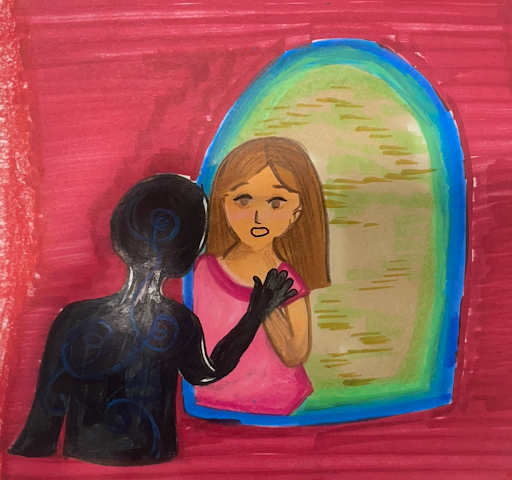
The incessant need for external validation drives many people to find themselves posting on social media to determine their self-worth. Individuals create inauthentic versions of themselves that only exist in the digital world, at times convincing even themselves that they are their online alter-ego. Over time, this becomes a legitimate identity crisis as they struggle to determine real self vs. digital self, a developed fake persona on an online platform.
Michel de Montaigne, 16th-century French philosopher, was popularized for his search for true identity, while concurrently examining and analyzing the pressure that society places on individualism. There are various aspects of his philosophy that he is famously known for, including being the “Father of Essais [Essays],” bringing fame and glory to a new genre of writing and developing ideas. Montaigne conducted an experiment where he isolated himself from the public to explore “belonging to oneself” as the true form of being introspective and a better version of oneself, rather than projecting a perfect image.
Clearly, this philosopher from the 1500s didn’t have an Instagram, TikTok or any other social media platform, and yet his perspective and philosophy still applies to many people today. Truly being able to discover one’s self comes with accepting imperfections, which gives individuals the power to resist being negatively persuaded by harmful outward influences. Some of these influences in the modern day include the constant validation people are addicted to, which comes with the cheap dopamine rush of receiving likes on social media.
Why, as a society, have we decided that humans with flaws are less than ideal? From a young age kids are taught not to chase after perfection because it is unattainable. However, once young teens begin their social media presence, it is a slippery slope into falling for the social media trap to present themselves with a certain look, or act in a performative manner. This ideal of being perfect or representing an ideal version of themselves to others becomes a default setting.
The majority often shape themselves to please others; this is especially present currently on social media regarding the “performative male.” The guy that posts himself online drinking matcha in a quarter zip while reading feminist literature. These illusions of identity are more about fitting in rather than self-discovery. Most people often focus too much on how others perceive them, curating false personas that overshadow their true selves and cause them to lose their sense of identity.
Each person is different, and these differences should be accepted, including people’s flaws, quirks, and differences. Imperfections are inevitable; however, if people constantly hide and conceal their mistakes, it will lead to inauthenticity. If people were able to embrace their own imperfections and realize that individual flaws create beauty and individuality, they would be one step closer to self discovery and understanding their own identity better.
People should find authenticity within themselves, which can be challenging when they do not know where to start. Self-discovery is the process of truly understanding oneself, embracing those qualities, and comfortably embodying those characteristics without the concern of perception or judgement. It should be more commonly put into practice as it promotes self-love, which will help people with confidence, maturity, and ultimately happiness. Maybe the first step is to move away from social media. The time away seems to help many people realize that real life is far better than a social media depiction of someone they aren’t.